Why Finding Parts for Old Appliances Can Be Challenging
Locating spare parts for aging appliances often feels like a treasure hunt. Manufacturers typically produce replacement components for a limited number of years after a model is discontinued—usually between seven and ten years. Once that window closes, parts become scarce, driving up prices and forcing consumers to get creative. Understanding this lifecycle helps you set realistic expectations and approach your search strategically rather than relying solely on the original manufacturer.
Gather Essential Information Before You Start
Before searching for any part, arm yourself with accurate details about your appliance. The most important piece of information is the model number, typically found on a metal or sticker plate. Common locations include:
- Refrigerators: Inside the door frame or along the interior wall
- Washers and dryers: Behind the door, on the back panel, or inside the lid
- Dishwashers: Along the door edge or inner tub rim
- Ovens and ranges: Behind the storage drawer or on the door frame
- Microwaves: On the back or inside the door
Record the model number, serial number, and manufacturer name. Take clear photographs of the broken or worn part, and note any numbers stamped directly onto the component itself. These part numbers are invaluable for cross-referencing.
Start With the Manufacturer
Even for older models, the original manufacturer should be your first stop. Many brands maintain dedicated parts departments or partner with authorized distributors. Visit the official website and search using your model number. If parts are unavailable online, call customer service directly—representatives sometimes have access to discontinued inventory or can recommend authorized service centers that stock legacy components.
Keep in mind that manufacturers often outsource part production to third-party suppliers. Asking for the original equipment manufacturer (OEM) part number can open doors to alternative sourcing channels.
Explore Dedicated Appliance Parts Retailers
Several online retailers specialize exclusively in appliance components, making them goldmines for hard-to-find parts. Popular options include:
- RepairClinic – Offers detailed diagrams and video tutorials
- AppliancePartsPros – Known for extensive inventory and model lookups
- PartSelect – Features symptom-based search tools
- Sears PartsDirect – Carries parts for many older and cross-brand models
These platforms allow you to search by model number and view exploded diagrams that pinpoint the exact part you need. Many also include user reviews and installation guides, reducing the risk of ordering incorrect components.
Search Online Marketplaces and Auction Sites
When official channels run dry, turn to eBay, Amazon, and Facebook Marketplace. eBay is particularly useful for discontinued parts, as individuals and salvage businesses frequently list rare components. Use the specific part number in your search query for the best results, and filter by condition to choose between new, refurbished, or used parts.
Amazon often stocks third-party and aftermarket alternatives that fit older models at competitive prices. Always verify compatibility by checking the seller’s fitment information against your appliance’s model number.
Consider Salvage and Used Appliance Dealers
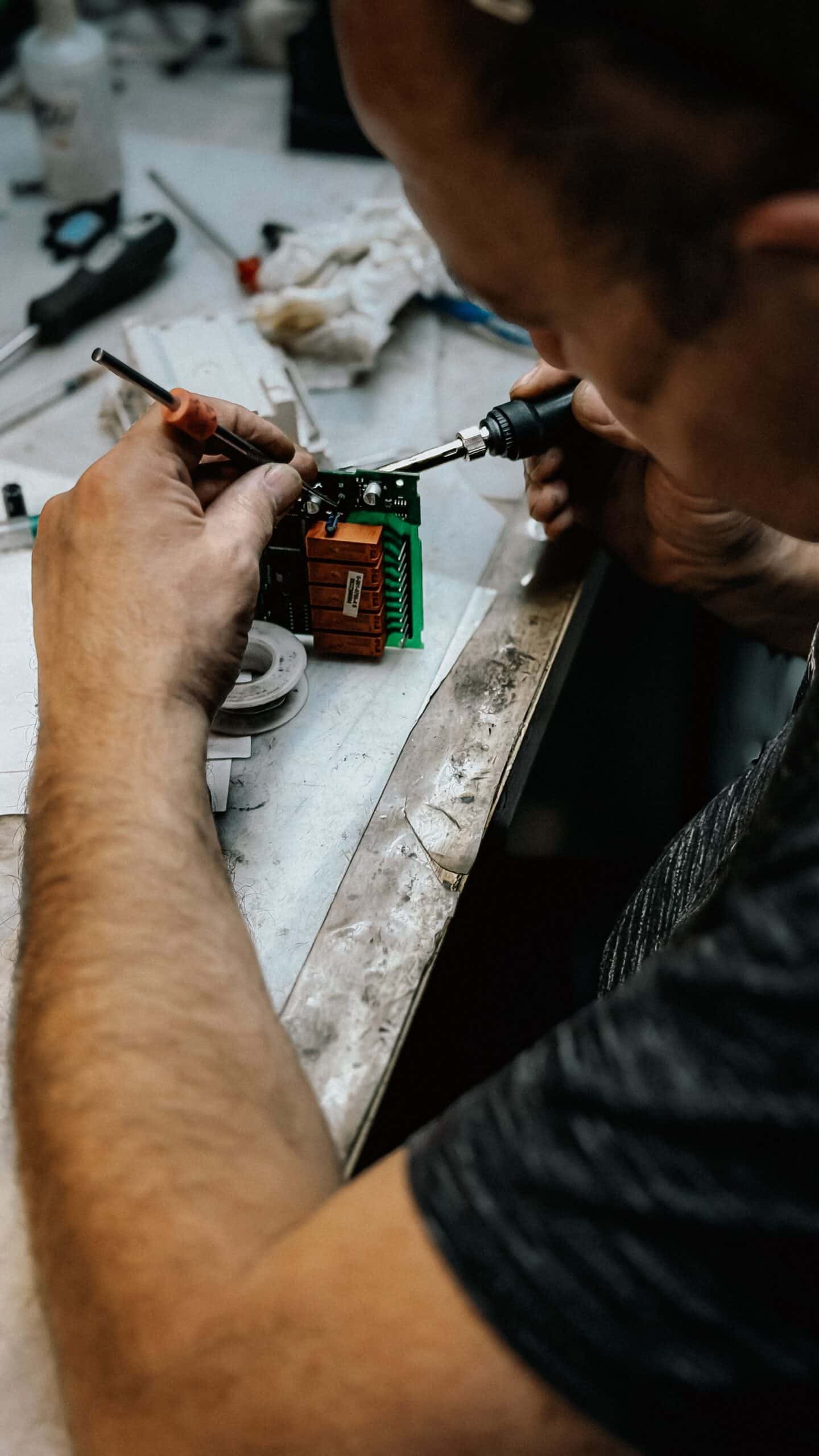
Appliance salvage yards and used appliance stores are excellent resources for legacy parts. These businesses dismantle non-working units and sell functional components individually. A motor, control board, or door handle salvaged from an identical model can be significantly cheaper than a new part—if one even exists.
Search locally for “used appliance parts” or “appliance salvage” and call ahead with your model number. Some salvage operations also list inventory online or will source parts from their networks upon request.
Try Aftermarket and Generic Replacements
Many appliance parts—such as belts, hoses, gaskets, thermostats, and igniters—are universal or semi-universal. Aftermarket manufacturers produce generic equivalents that fit multiple brands and models. These alternatives cost less than OEM parts and are widely available.
When choosing aftermarket parts, verify the specifications match your original component, including dimensions, voltage, and connector types. Reputable aftermarket brands often meet or exceed OEM quality standards, making them a smart, budget-friendly choice.
Connect With Repair Forums and Communities
Online communities are underrated resources for tracking down obscure parts. Websites like Reddit’s r/appliancerepair, dedicated DIY forums, and brand-specific user groups host knowledgeable enthusiasts and professional technicians. Posting your model number and describing your issue often yields suggestions for compatible parts, alternative suppliers, or even free advice on whether a repair is worthwhile.
These communities can also help you identify cross-compatible parts from other models—knowledge rarely available through official channels.
Visit Local Repair Shops
Independent appliance repair shops accumulate parts inventories over decades. Even if a technician can’t repair your unit, they may sell you a part directly or know a reliable supplier. Building a relationship with a local repair professional gives you ongoing access to expertise and sourcing connections that online searches can’t replicate.
Explore Specialty and Vintage Suppliers
For genuinely vintage appliances—think mid-century ranges or antique refrigerators—seek out specialty restorers. Companies dedicated to restoring classic appliances often fabricate custom parts or maintain rare inventories. Vintage appliance enthusiast groups can point you toward these niche suppliers who cater specifically to restoration projects.
Tips for Verifying Compatibility
Ordering the wrong part wastes time and money. Protect yourself by following these verification steps:
- Match part numbers exactly whenever possible
- Compare physical dimensions using your photographs and measurements
- Check electrical specifications for motors, boards, and heating elements
- Read seller compatibility notes and customer reviews
- Confirm return policies before purchasing, especially from third-party sellers
When to Repair Versus Replace
Before investing heavily in parts, weigh the cost of repair against replacement. A general rule suggests replacing the appliance if repair costs exceed 50% of a new unit’s price—especially if the appliance is more than halfway through its expected lifespan. However, high-quality vintage or premium appliances may justify the investment in hard-to-find parts due to superior build quality and sentimental or aesthetic value.
Maintaining Your Appliance to Extend Its Life
Once you’ve successfully sourced and installed a replacement part, focus on preventive maintenance to avoid future hunts. Clean filters regularly, inspect hoses and seals, avoid overloading machines, and address minor issues before they escalate. Keeping a record of your appliance’s model and serial numbers, along with a list of trusted parts suppliers, will streamline any future repairs.
By combining thorough research, multiple sourcing channels, and careful compatibility verification, you can keep your old appliances running for years beyond their expected lifespan—saving money and reducing waste in the process.