Understanding How Circuit Breakers Work With Electric Kettles
Before diving into specific causes, it helps to understand the relationship between your electric kettle and your home’s electrical system. A circuit breaker is a safety device designed to cut off electrical flow when it detects a problem, such as too much current or a dangerous fault. Electric kettles are power-hungry appliances, typically drawing between 1,200 and 1,500 watts. This high demand makes them prime candidates for triggering breaker trips, especially in older homes or on shared circuits.
When your kettle repeatedly trips the breaker, it’s not just an inconvenience—it’s your electrical system warning you that something needs attention. Ignoring the issue can lead to damaged appliances, wasted energy, or in worst-case scenarios, electrical fires.
Common Cause #1: Circuit Overload
The most frequent reason an electric kettle trips the breaker is circuit overload. This happens when too many appliances draw power from the same circuit simultaneously.
Kitchens are notorious for overloaded circuits because they house multiple high-wattage devices. If your kettle shares a circuit with a microwave, toaster, coffee maker, or refrigerator, running them at the same time can exceed the circuit’s capacity—usually 15 or 20 amps in most homes.
Easy Fix: Unplug other appliances on the same circuit before using your kettle. If possible, plug your kettle into an outlet on a different circuit. For a long-term solution, consider having an electrician install a dedicated circuit for your kitchen’s high-demand appliances.
Common Cause #2: A Faulty Kettle Element
The heating element is the heart of your electric kettle. Over time, mineral deposits, wear, and corrosion can cause the element to short-circuit or draw excessive current. When this happens, the breaker trips as a protective measure.
A failing element often shows warning signs: the kettle takes longer to boil, makes unusual noises, or trips the breaker only when switched on. Visible scorching or discoloration around the element base is another red flag.
Easy Fix: If your kettle is older or shows signs of element failure, replacement is usually the safest option. Repairing internal heating elements is rarely cost-effective and can be dangerous for non-professionals. Descaling regularly helps prevent mineral buildup that damages elements.
Common Cause #3: Damaged Power Cord or Plug
A damaged power cord can cause short circuits, which immediately trip the breaker. Cords get worn from being bent, pinched, wrapped tightly, or exposed to heat. Frayed wires, exposed copper, or melted insulation are all serious hazards.
The plug itself can also develop problems. Loose connections, bent prongs, or burn marks on the plug indicate trouble that may cause tripping.
Easy Fix: Inspect the entire cord and plug carefully. If you spot any damage, stop using the kettle immediately. While some cords are replaceable, many modern kettles have integrated cords, meaning replacement of the entire unit is safer. Never attempt to use a kettle with a visibly damaged cord.
Common Cause #4: Moisture and Water Intrusion
Electric kettles handle water constantly, making moisture intrusion a real concern. If water seeps into the base, the electrical contacts, or the internal wiring, it can create a short circuit that trips the breaker instantly.
This often happens when users overfill the kettle, pour water carelessly near the electrical base, or place the kettle on its powered base while wet.
Easy Fix: Always dry the bottom of your kettle before setting it on the base. Avoid overfilling—stay below the maximum fill line. Allow the kettle and base to dry completely if water spills occur. If moisture damage has already happened, the kettle may need professional inspection or replacement.
Common Cause #5: A Ground Fault
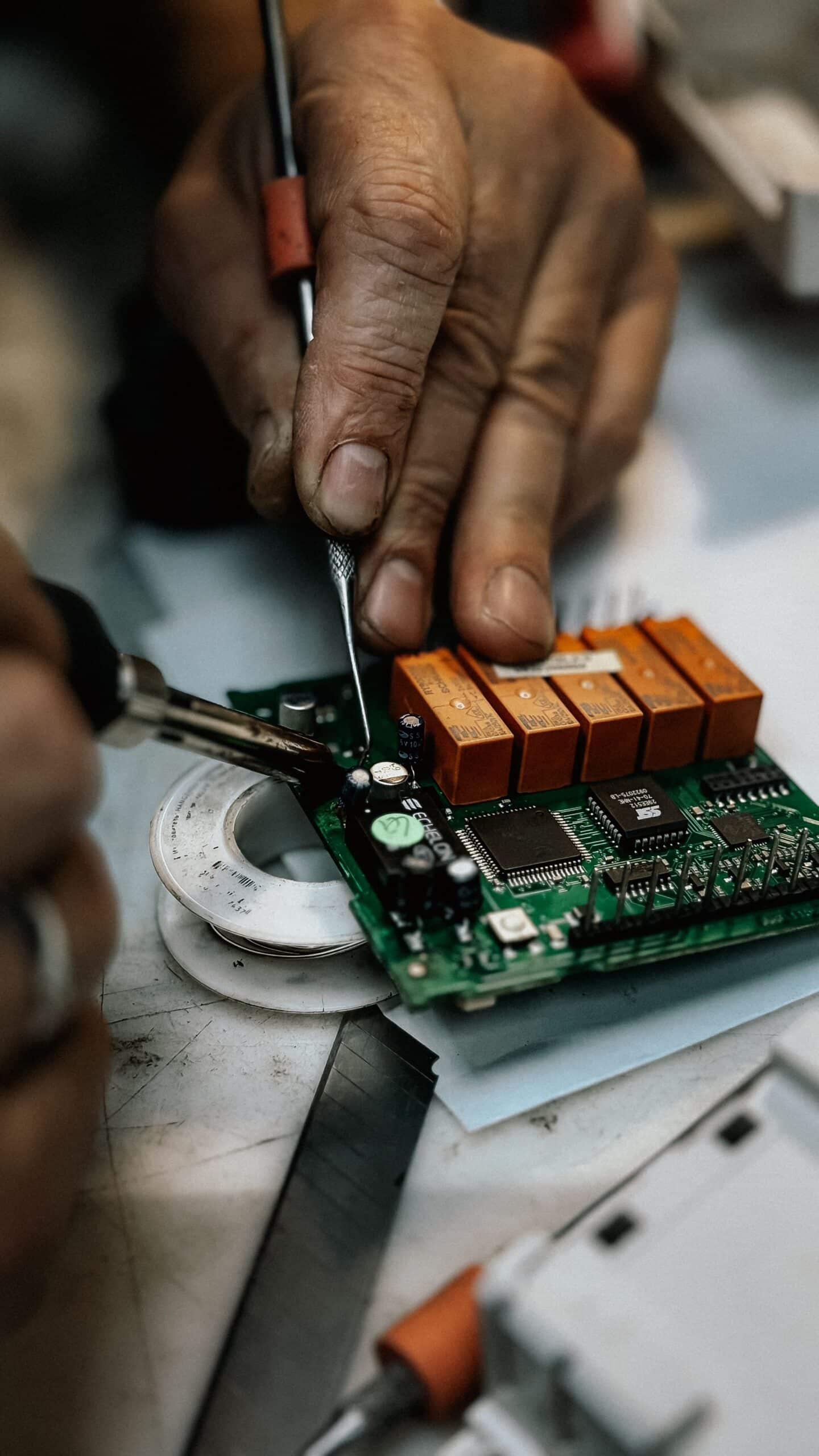
Ground Fault Circuit Interrupter (GFCI) outlets are common in kitchens because they protect against electrical shock near water sources. These outlets trip when they detect current leaking to the ground, which can occur if your kettle has internal insulation breakdown or a faulty element.
If your kettle only trips GFCI outlets but works on regular outlets, this strongly suggests a ground fault within the appliance.
Easy Fix: Test the kettle on a different GFCI-protected outlet to confirm the issue. If it consistently trips GFCI outlets, the kettle likely has an internal fault and should be replaced. Continuing to use it poses a shock risk.
Common Cause #6: Aging or Faulty Wiring
Sometimes the problem isn’t the kettle at all—it’s your home’s wiring. Older homes with outdated electrical systems may struggle to handle modern appliance demands. Loose connections, corroded wires, or undersized wiring can all cause breakers to trip.
If multiple appliances trip the same breaker, or if you notice flickering lights, warm outlets, or a burning smell, your wiring may be the culprit.
Easy Fix: Wiring issues require professional attention. Contact a licensed electrician to inspect your electrical panel and circuits. Attempting DIY repairs on home wiring is dangerous and often violates local electrical codes.
Common Cause #7: A Weak or Faulty Breaker
Circuit breakers themselves can wear out over time. A breaker that has tripped many times may become weak and trip more easily, even under normal loads. Aging breakers can also fail to provide reliable protection.
Easy Fix: If your breaker trips frequently despite reasonable electrical loads, it may need replacement. This is a job for a qualified electrician who can test the breaker and install a new one if necessary.
How to Diagnose the Problem Step by Step
To pinpoint the cause, work through these steps systematically:
- Test on a different outlet and circuit. If the kettle works fine elsewhere, the original circuit is likely overloaded.
- Inspect the cord, plug, and base for visible damage or moisture.
- Note when the trip occurs. Tripping at startup suggests an element or short-circuit issue, while gradual tripping may indicate overload.
- Unplug other appliances to rule out overload.
- Listen and watch for unusual sounds, smells, or sparks during operation.
Documenting these observations helps you—or an electrician—identify the root cause quickly.
When to Replace Your Kettle vs. Calling an Electrician
Knowing when to replace the appliance versus seeking professional help saves time and money. Replace your kettle if it shows internal damage, fails GFCI tests, has a damaged integrated cord, or is simply old and unreliable. Electric kettles are relatively inexpensive, making replacement the practical choice for most internal faults.
Call an electrician if the tripping happens with multiple appliances, if you notice signs of faulty wiring, or if the breaker itself seems unreliable. Electrical system issues are serious safety concerns that demand professional expertise.
Preventing Future Breaker Trips
Proactive maintenance keeps your kettle running safely. Descale your kettle every few weeks using a vinegar solution to prevent mineral buildup. Avoid running multiple high-wattage appliances simultaneously. Store and handle the cord carefully to prevent damage. Keep the kettle base dry and clean at all times.
Investing in a quality kettle with good safety certifications also reduces the likelihood of electrical problems. Reliable appliances with automatic shutoff features and proper insulation are less prone to faults that trip breakers, protecting both your home and your peace of mind.