Understanding the Repair Cafe Concept
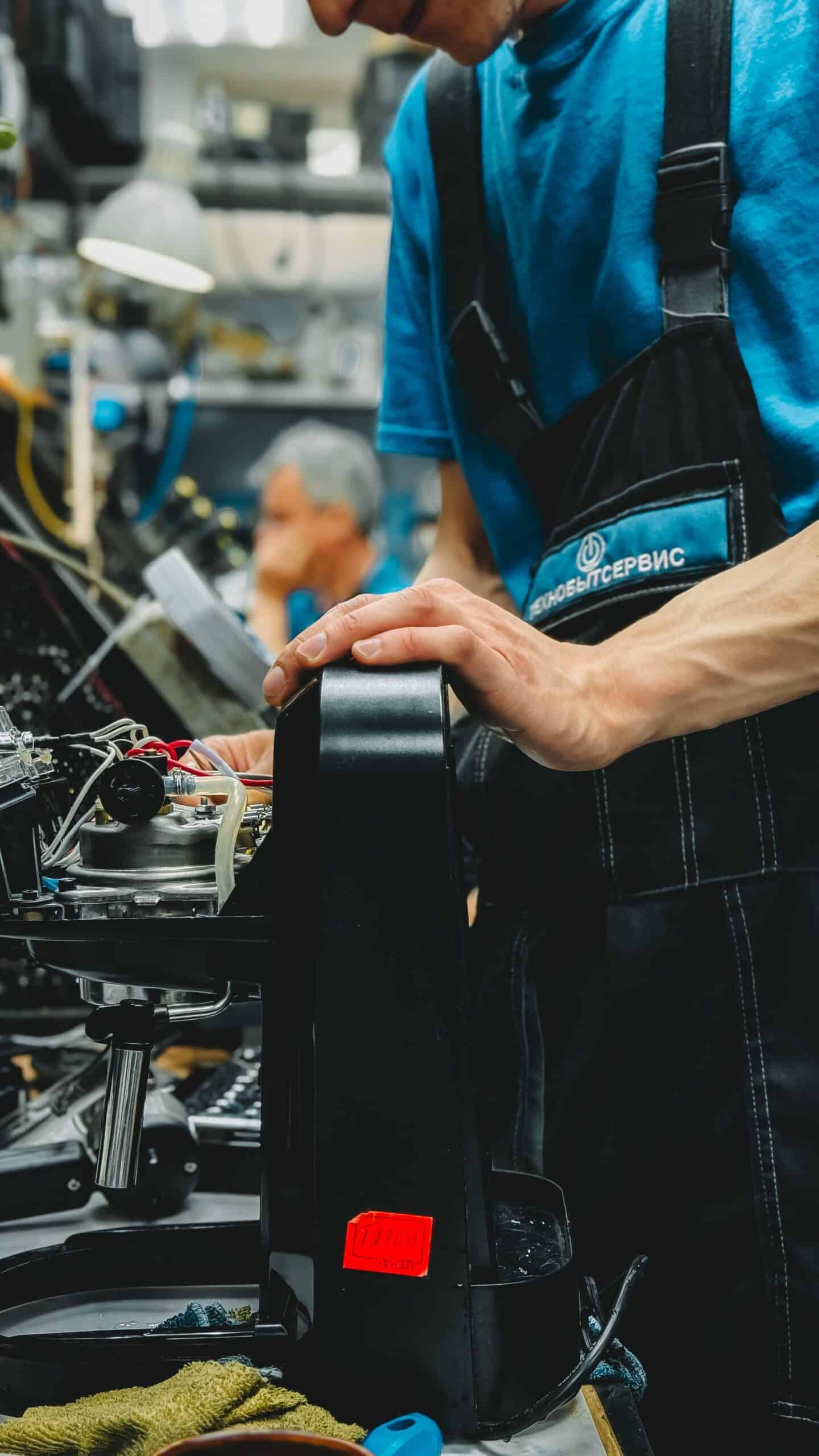
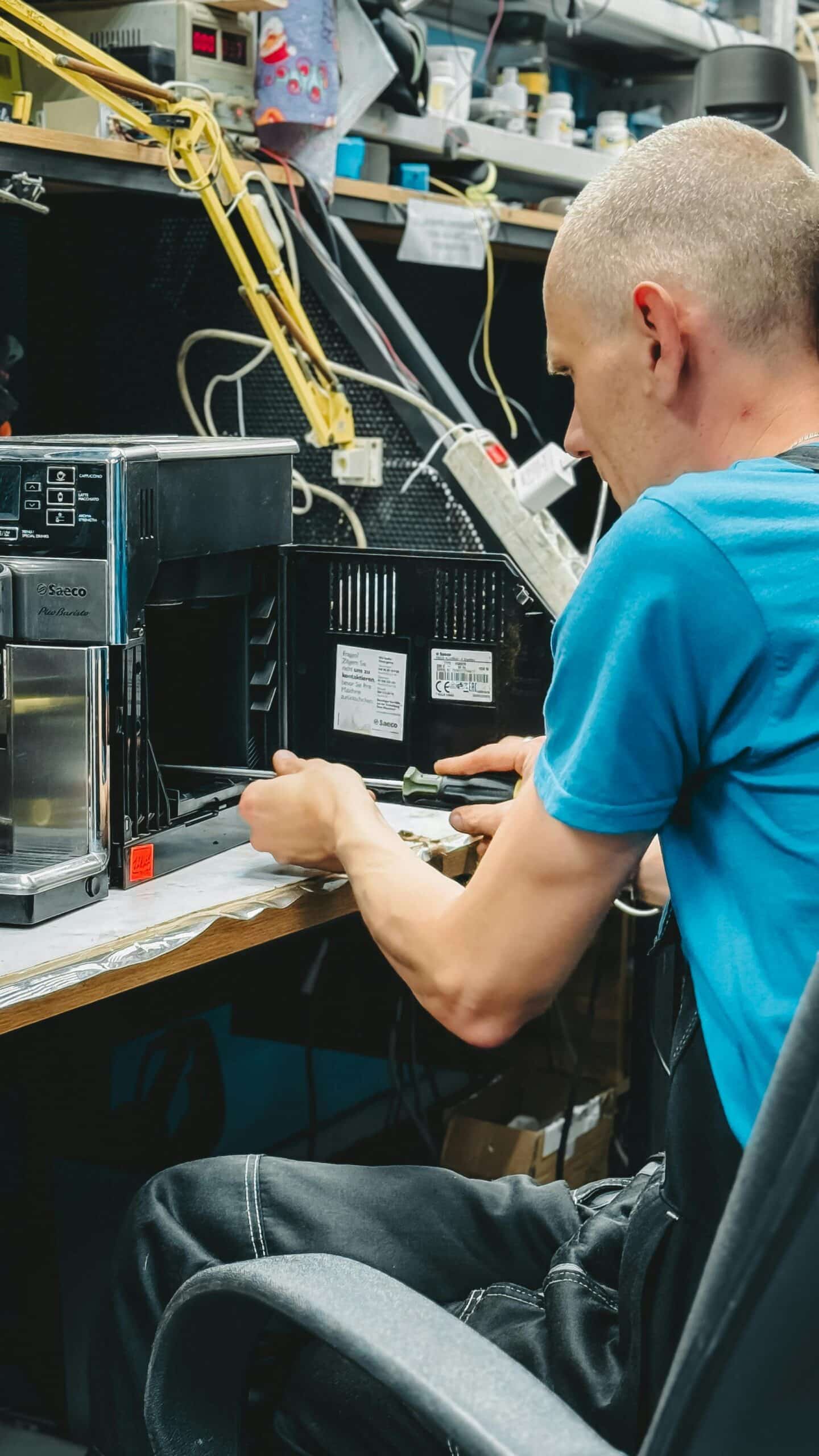
A Repair Cafe is a free community gathering where people bring broken household items to be repaired with the help of skilled volunteers. Rather than throwing away damaged belongings, visitors learn how to fix them—or watch as experienced repairers breathe new life into items destined for landfill. These events typically take place in accessible community spaces such as libraries, community centers, churches, schools, or local cafes.
The concept blends practical repair work with social interaction. Visitors enjoy a cup of coffee or tea while waiting, chat with neighbors, and gain hands-on knowledge about maintaining their possessions. The atmosphere is welcoming, collaborative, and educational, making it far more than a simple repair service.
The Origins of the Repair Cafe Movement
The first Repair Cafe was launched in Amsterdam, Netherlands, in October 2009 by journalist Martine Postma. Frustrated by the throwaway culture and growing waste problem, she organized an event to demonstrate that repairing items was both possible and rewarding. The idea resonated quickly, and in 2011 she established the Repair Cafe Foundation to support communities worldwide in starting their own events.
Today, there are more than 2,500 Repair Cafes operating across the globe, spanning Europe, North America, Asia, and beyond. The movement has become a symbol of sustainable living and grassroots environmental action, empowering ordinary people to take a stand against unnecessary waste.
How a Repair Cafe Works
The process at a Repair Cafe is simple and designed to be approachable for everyone, regardless of technical skill.
Step 1: Bring Your Broken Item
Visitors arrive with a broken or malfunctioning item. Common examples include clothing with torn seams, faulty toasters, wobbly chairs, jammed zippers, broken lamps, bicycles, and even computers.
Step 2: Register at the Welcome Desk
Upon arrival, a host greets you and notes the item you’ve brought. You may be directed to a specific repair station depending on the type of problem.
Step 3: Work Alongside a Volunteer
You sit with a volunteer repairer who assesses the item. Importantly, repairs are collaborative—visitors are encouraged to participate, ask questions, and learn the skills involved rather than simply handing over their belongings.
Step 4: Enjoy the Community
While waiting, visitors relax with refreshments, browse a reading table with repair manuals, or chat with other attendees. This social element is central to the experience.
Step 5: Take Home Your Repaired Item
Many items are successfully fixed on the spot. Even when a full repair isn’t possible, visitors leave with valuable knowledge and advice on next steps.
What Can Be Repaired?
Repair Cafes handle a wide range of everyday objects. Typical categories include:
- Electrical appliances – kettles, lamps, radios, vacuum cleaners
- Clothing and textiles – hems, buttons, tears, and broken zippers
- Furniture – loose joints, broken legs, and worn finishes
- Bicycles – brakes, gears, flat tires, and chains
- Electronics – laptops, tablets, and smartphones (where feasible)
- Toys – mechanical and electronic playthings
- Crockery and ornaments – gluing and restoring sentimental pieces
Volunteers come from diverse backgrounds, including retired engineers, electricians, tailors, carpenters, and hobbyists who generously share their expertise.
The Benefits of Repair Cafes
Environmental Impact
Repair Cafes directly reduce waste by keeping functional items out of landfills. Every repaired toaster, mended jacket, or revived bicycle represents fewer resources consumed and less pollution generated through manufacturing replacements. The movement combats the throwaway mentality that dominates modern consumer culture.
Saving Money
Repairs are typically free, with visitors only paying for replacement parts if needed. This makes Repair Cafes especially valuable for people on tight budgets who might otherwise face the expense of buying new products.
Preserving Skills
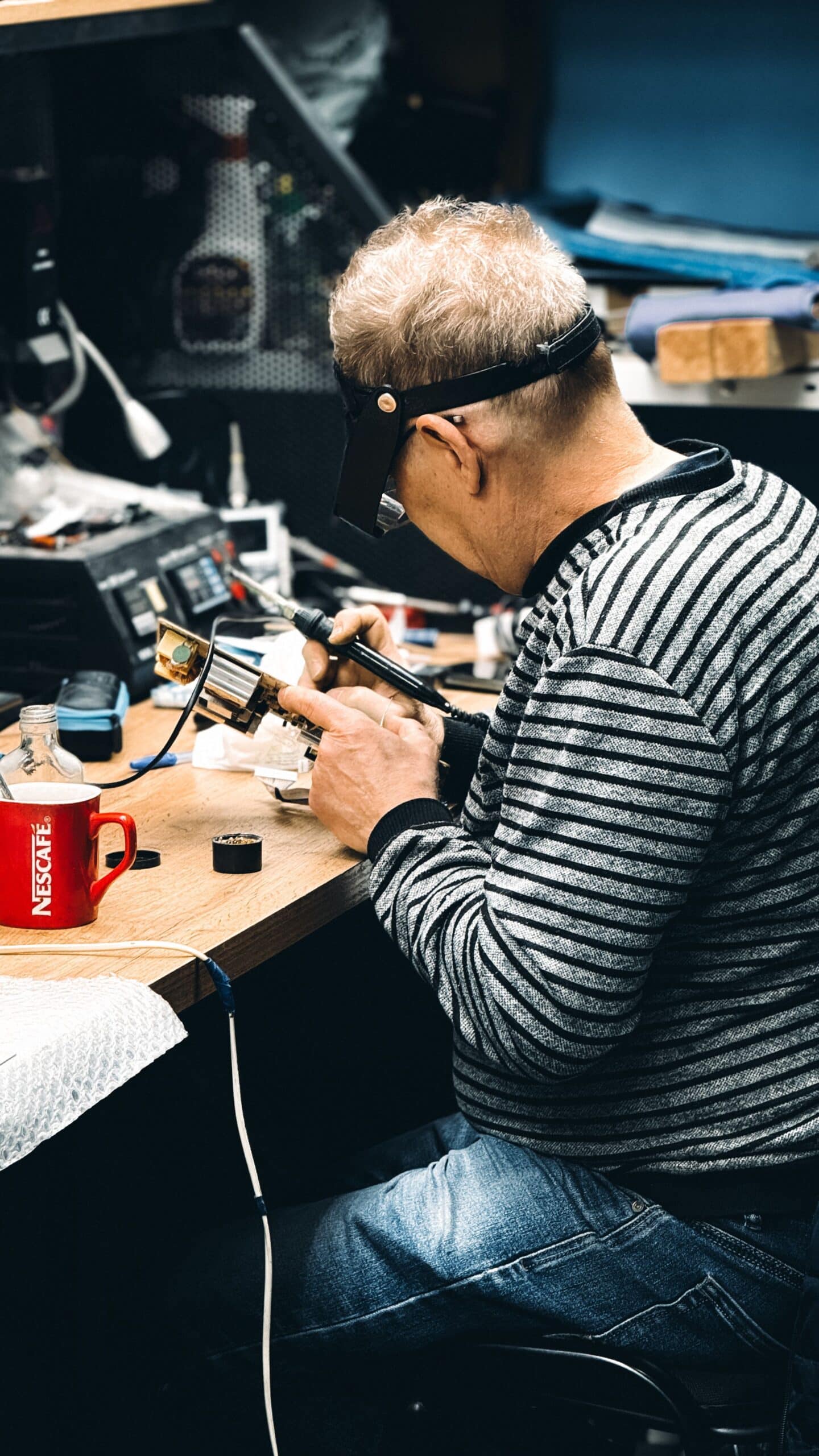
As mass production has grown, traditional repair skills have faded. Repair Cafes help preserve and pass on these valuable abilities, ensuring that knowledge of sewing, soldering, and mechanical repair survives across generations.
Building Community
Perhaps the most underrated benefit is social connection. Repair Cafes bring together people of all ages and backgrounds, reducing isolation and strengthening neighborhood bonds. Volunteers often report that the friendships and sense of purpose are as rewarding as the repairs themselves.
Who Runs Repair Cafes?
Repair Cafes are typically organized by volunteers and supported by local councils, environmental groups, or community organizations. Each event needs a small team that includes:
- Hosts who welcome guests and manage logistics
- Repairers with specialized skills
- Refreshment volunteers who serve drinks and snacks
- Coordinators who plan events and promote them locally
The Repair Cafe Foundation provides official starter kits, branding guidelines, and resources to help new organizers establish their events properly.
How to Find a Repair Cafe Near You
Locating a Repair Cafe is easier than ever. The official Repair Cafe Foundation website features a global directory where you can search by location. Additionally, local community boards, social media groups, libraries, and council websites often advertise upcoming events. Searching online for “Repair Cafe near me” will usually reveal nearby options.
Tips for Your First Visit
To make the most of your Repair Cafe experience, keep these practical tips in mind:
- Check the schedule – Most cafes operate monthly, so confirm dates and times in advance.
- Describe the problem clearly – Knowing what’s wrong helps volunteers assess the item quickly.
- Bring relevant parts – Include batteries, cables, or accessories that may be needed.
- Be patient – Popular events can be busy, so allow time for your turn.
- Get involved – Watch and learn so you can attempt similar repairs yourself in the future.
- Consider a donation – While services are free, voluntary contributions help keep the cafe running.
Starting Your Own Repair Cafe
If your area lacks a Repair Cafe, you can start one. Begin by gathering a team of enthusiastic volunteers and securing a suitable venue. Reach out to the Repair Cafe Foundation for an official starter package, which provides guidance, promotional materials, and useful tools. Promote your event through local channels, recruit skilled repairers, and arrange basic tools and refreshments.
Successful Repair Cafes start small and grow through word of mouth. Consistency is key—regular monthly events build a loyal community of visitors and volunteers over time.
The Growing Role of Repair Cafes in Society
As awareness of climate change and resource scarcity increases, Repair Cafes have gained recognition as a meaningful response to unsustainable consumption. They align closely with the principles of the circular economy, which emphasizes reusing, repairing, and recycling rather than discarding. Governments and environmental organizations increasingly support these initiatives as part of broader waste-reduction strategies.
Repair Cafes also play an educational role, teaching younger generations the value of fixing rather than replacing. By demonstrating that repair is accessible and satisfying, they inspire lasting behavioral change that extends well beyond a single event.
Frequently Asked Questions
Are Repair Cafes really free?
Yes, the repair service itself is free, though you may need to pay for replacement parts. Voluntary donations are welcomed to support running costs.
Do I need any skills to attend?
No skills are required. Volunteers guide you through the process and handle complex repairs themselves.
What if my item can’t be fixed?
Not every item can be saved, but you’ll receive honest advice and often learn why the repair wasn’t possible.
Repair Cafes represent a practical, community-driven solution to waste, blending sustainability, skill-sharing, and social connection into one accessible and rewarding experience for everyone involved.