Why Every Homeowner Should Own an Appliance Repair Toolkit
Appliances break down at the worst possible times, and waiting for a professional technician can cost both money and patience. Many common appliance problems—loose connections, clogged filters, worn belts, and faulty switches—can be diagnosed and fixed at home with the right tools. Building a basic appliance repair toolkit empowers you to handle minor repairs confidently, saving hundreds of dollars in service fees each year. The key is investing in quality, versatile tools that cover the majority of household repair scenarios.
Screwdrivers: The Foundation of Any Toolkit
No appliance repair job begins without a reliable set of screwdrivers. Appliances use a wide variety of fasteners, so a comprehensive set is essential.
- Phillips-head screwdrivers: Available in multiple sizes (#1 and #2 are most common), these handle the cross-shaped screws found in nearly every appliance.
- Flathead screwdrivers: Useful for prying, adjusting, and turning slotted screws.
- Torx and hex drivers: Many modern appliances, especially those from European manufacturers, use star-shaped Torx screws. A set with interchangeable bits is a smart investment.
Consider a magnetic-tip screwdriver to prevent dropping screws into hard-to-reach areas. A ratcheting screwdriver with multiple bits offers excellent versatility while reducing clutter in your toolbox.
Nut Drivers and Socket Sets
Appliances frequently use hex-head bolts and nuts to secure panels, motors, and brackets. A set of nut drivers in standard sizes (1/4-inch to 1/2-inch) makes quick work of removing access panels on washers, dryers, and dishwashers.
A compact socket set with a ratchet handle provides additional leverage for stubborn bolts. Look for a set that includes both SAE and metric sizes, since appliance manufacturers vary in their measurement standards. A nut driver set with hollow shafts allows you to work on long bolts without obstruction.
Pliers for Gripping and Cutting
Pliers handle countless tasks during appliance repairs, from gripping wires to bending metal components. A well-rounded toolkit should include several types:
- Needle-nose pliers: Ideal for reaching tight spaces and manipulating small wires or springs.
- Slip-joint pliers: Adjustable for gripping objects of various sizes.
- Channel-lock (tongue-and-groove) pliers: Provide a strong grip on pipes, nuts, and larger components.
- Wire cutters/strippers: Essential for electrical repairs involving cutting and stripping wires safely.
Quality pliers with comfortable, insulated handles improve safety and reduce hand fatigue during extended repairs.
Multimeter: The Diagnostic Essential
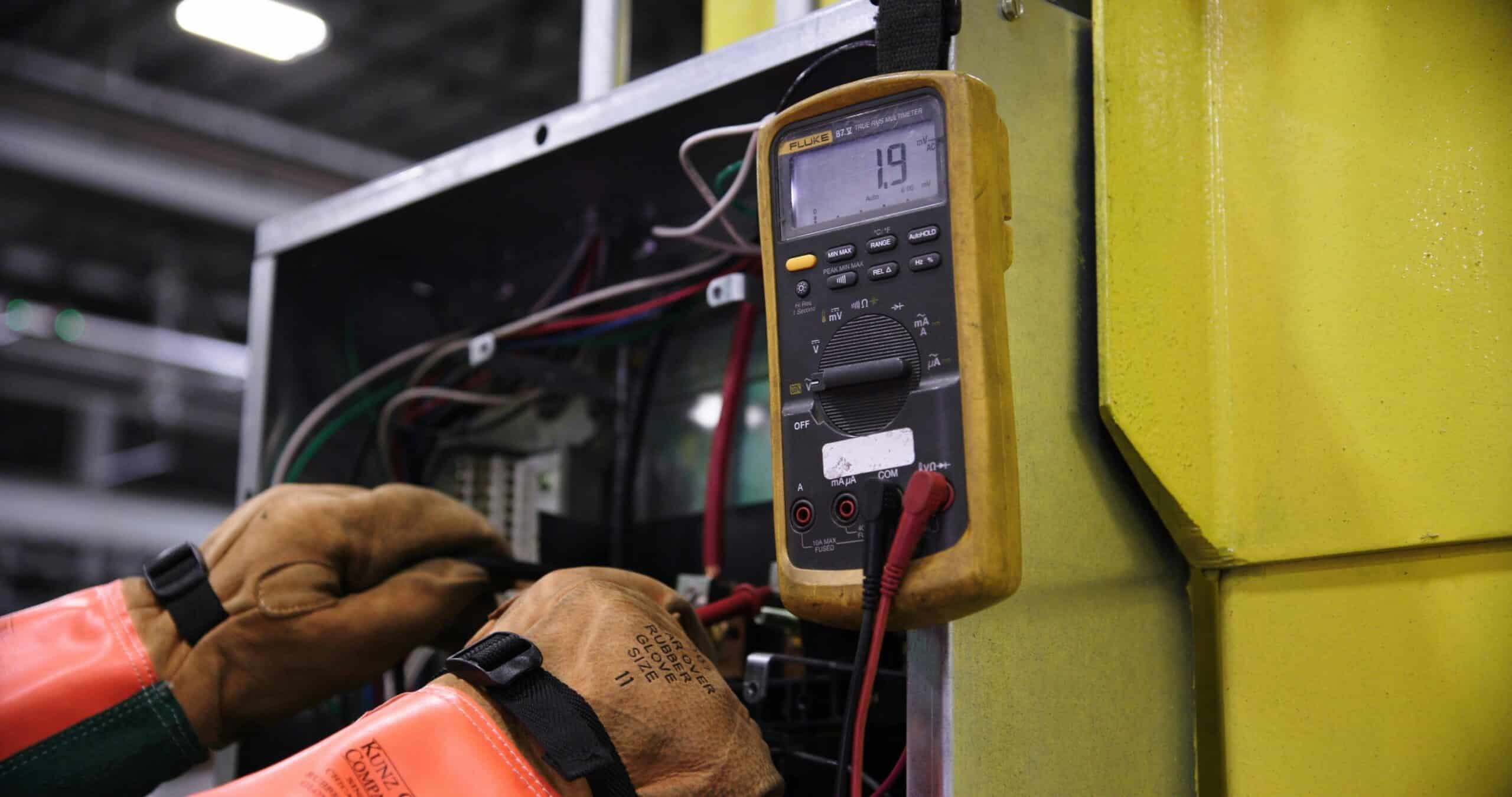
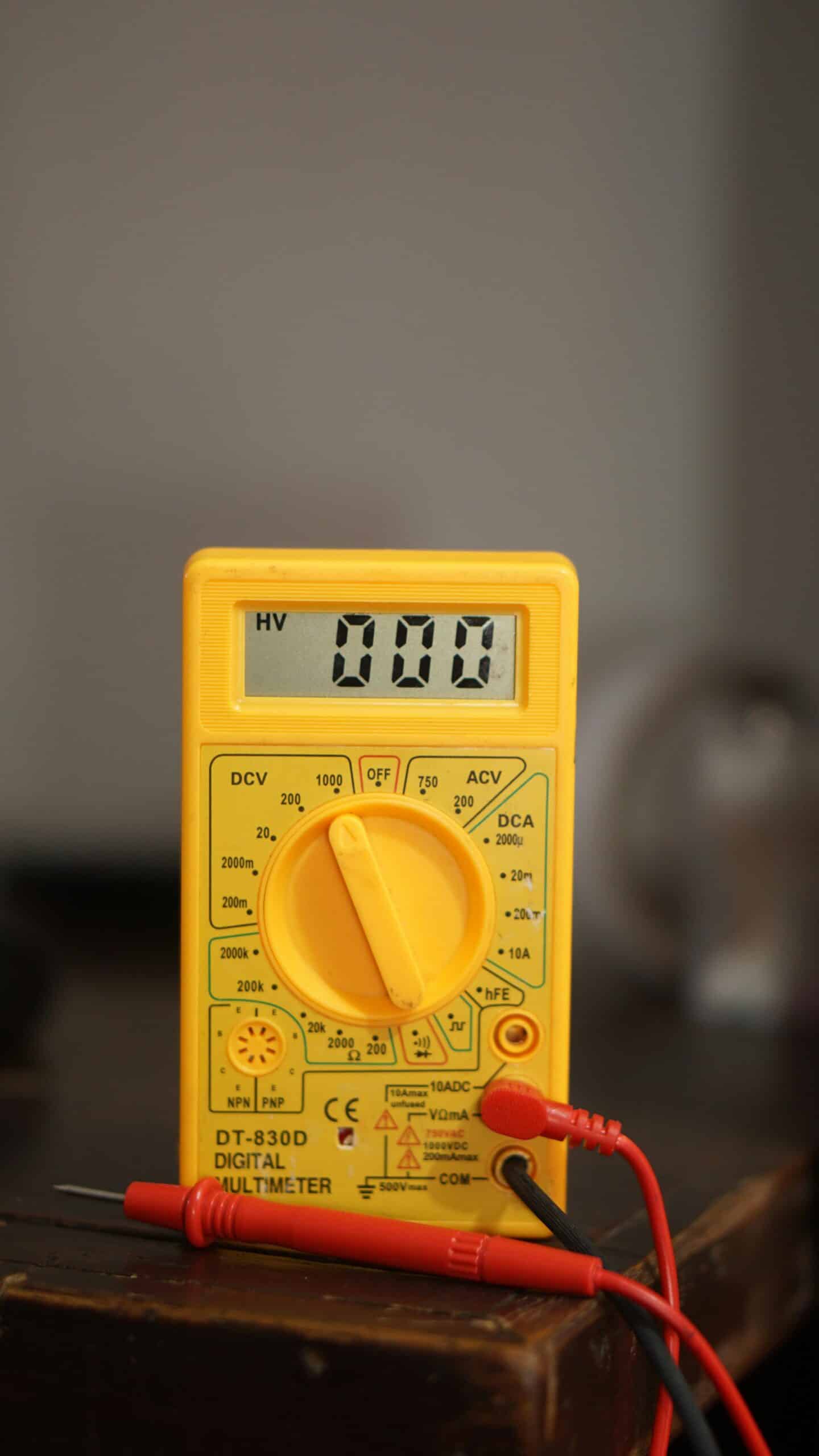
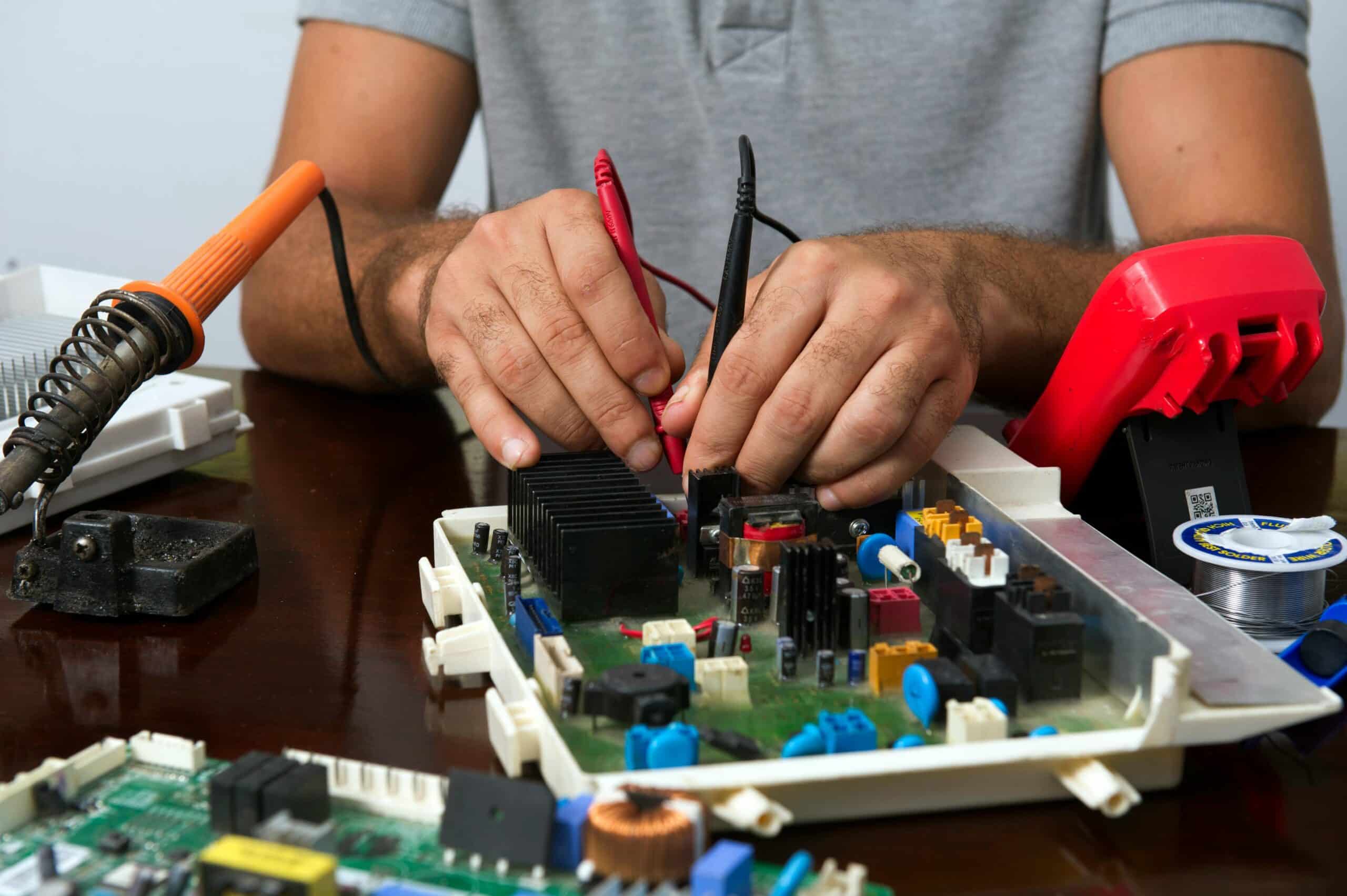
A digital multimeter is arguably the most important diagnostic tool in any appliance repair kit. It measures voltage, current, resistance, and continuity, allowing you to pinpoint electrical faults with precision. With a multimeter, you can test whether a heating element, thermostat, switch, or motor is functioning correctly before replacing parts.
For homeowners, an affordable auto-ranging digital multimeter is sufficient. Learning to use the continuity setting alone can save you from unnecessarily replacing working components. Always follow safety protocols—unplug appliances before testing—and consult your appliance’s wiring diagram when troubleshooting.
Wrenches and Adjustable Tools
A set of combination wrenches covers fixed-size bolts and nuts, while an adjustable wrench offers flexibility for varying sizes. Adjustable wrenches are particularly handy when working on water supply lines for dishwashers, washing machines, and refrigerators with ice makers.
An open-end and box-end combination wrench set provides better torque and reduces the risk of stripping fasteners. For plumbing-related appliance work, a pipe wrench or basin wrench can be invaluable.
Utility Knife and Cutting Tools
A sharp utility knife serves multiple purposes, from opening packaging on replacement parts to cutting through old gaskets, caulk, or tape. Choose a model with a retractable blade for safety and replaceable blades for longevity. Keep extra blades on hand, as dull blades are both inefficient and dangerous.
Flashlight or Headlamp
Appliance interiors are dark, cramped spaces. A bright LED flashlight illuminates the work area, but a hands-free headlamp is even better, allowing you to use both hands while inspecting wiring, connections, and components. Rechargeable models with adjustable brightness offer convenience and reliability.
Specialty Tools for Specific Appliances
While basic tools cover most repairs, a few specialty items dramatically expand your capabilities:
- Appliance pull-out tool or dolly: Helps move heavy appliances safely to access rear panels and connections.
- Nut driver extensions: Reach deeply recessed bolts in dryers and washers.
- Putty knife: Useful for releasing clips and removing old sealant or gaskets.
- Spanner wrench: Required for specific tasks like removing washing machine tubs.
Electrical Tape and Wire Connectors
Electrical repairs often require insulating exposed wires or making new connections. Stock your toolkit with high-quality electrical tape and an assortment of wire nuts or push-in connectors. These inexpensive supplies ensure safe, secure electrical work and prevent short circuits or fire hazards.
Safety Equipment You Shouldn’t Overlook
Safety should never be an afterthought in appliance repair. Essential protective gear includes:
- Insulated work gloves: Protect against sharp edges and electrical shock.
- Safety glasses: Shield your eyes from debris, sparks, and cleaning chemicals.
- Non-contact voltage tester: A simple device that confirms whether wires are live before you touch them, providing an extra layer of protection.
Always unplug appliances or shut off the circuit breaker before beginning any repair involving electrical components.
Storage and Organization
A durable toolbox or tool bag keeps everything organized and accessible. Look for compartments to separate small parts like screws and connectors from larger tools. A portable, well-organized kit means you can quickly grab what you need rather than rummaging through a cluttered drawer. Consider a magnetic tray to hold loose screws and small components during a repair, preventing them from getting lost.
Choosing Quality Over Quantity
When assembling your toolkit, prioritize quality over having the most tools. A handful of well-made, durable tools will outperform a large set of cheap, flimsy ones. Brands known for reliability—such as Klein Tools, Craftsman, Stanley, and DeWalt—offer dependable options at various price points. Quality tools resist wear, provide better performance, and ultimately save money by lasting longer.
Tips for Using Your Appliance Repair Toolkit Effectively
Owning the right tools is only half the equation; knowing how to use them safely and effectively makes all the difference. Keep these best practices in mind:
- Consult the manual: Your appliance’s user manual and wiring diagram are invaluable resources for identifying parts and understanding how components connect.
- Take photos: Before disassembling anything, photograph the setup so you can reassemble it correctly.
- Label parts: Use small bags or containers to organize screws and components by step.
- Watch tutorials: Reputable video guides demonstrate common repairs and proper tool usage.
- Know your limits: Some repairs—particularly those involving gas lines, sealed refrigeration systems, or major electrical work—are best left to licensed professionals.
Common Repairs You Can Tackle With a Basic Toolkit
With these essential tools, homeowners can confidently address a surprising range of appliance issues:
- Replacing a worn dryer belt or heating element
- Cleaning or replacing a dishwasher filter and spray arm
- Swapping out a refrigerator water filter or door gasket
- Fixing a washing machine that won’t drain by clearing the pump filter
- Testing and replacing a faulty oven igniter or thermostat
- Tightening loose handles, hinges, and panels across all appliances
Each of these repairs becomes accessible with the proper tools and a bit of patience, transforming intimidating breakdowns into manageable weekend projects.
Building Your Toolkit on a Budget
You don’t need to purchase everything at once. Start with the essentials—a screwdriver set, multimeter, pliers, and an adjustable wrench—then expand as specific repairs arise. Many hardware stores offer starter kits that bundle common tools at a discount. Watch for seasonal sales and consider buying mid-range tools that balance affordability with durability. Over time, you’ll develop a comprehensive kit tailored to your home’s specific appliances and your growing repair skills.