What Exactly Is a Repair Cafe?
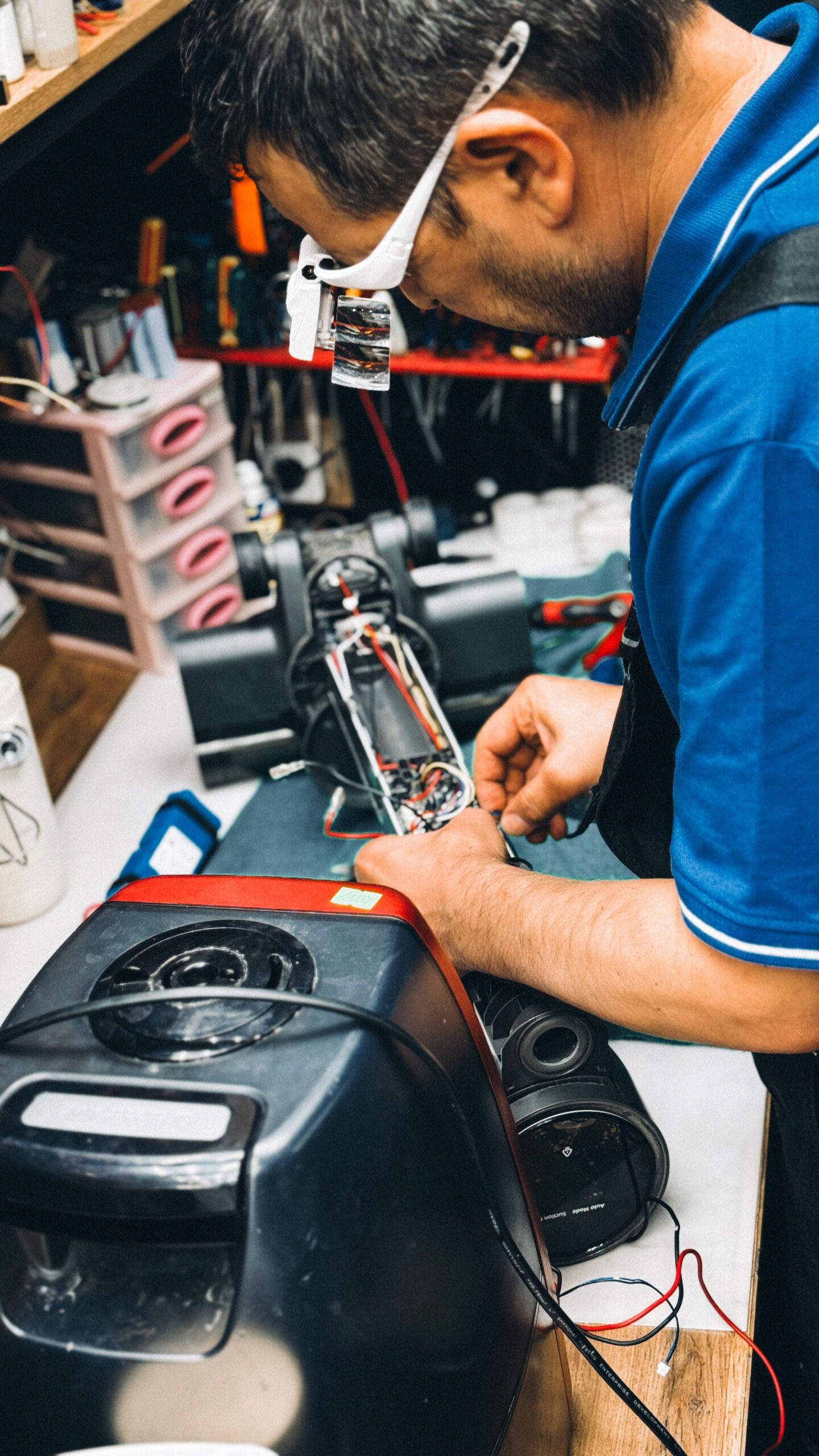
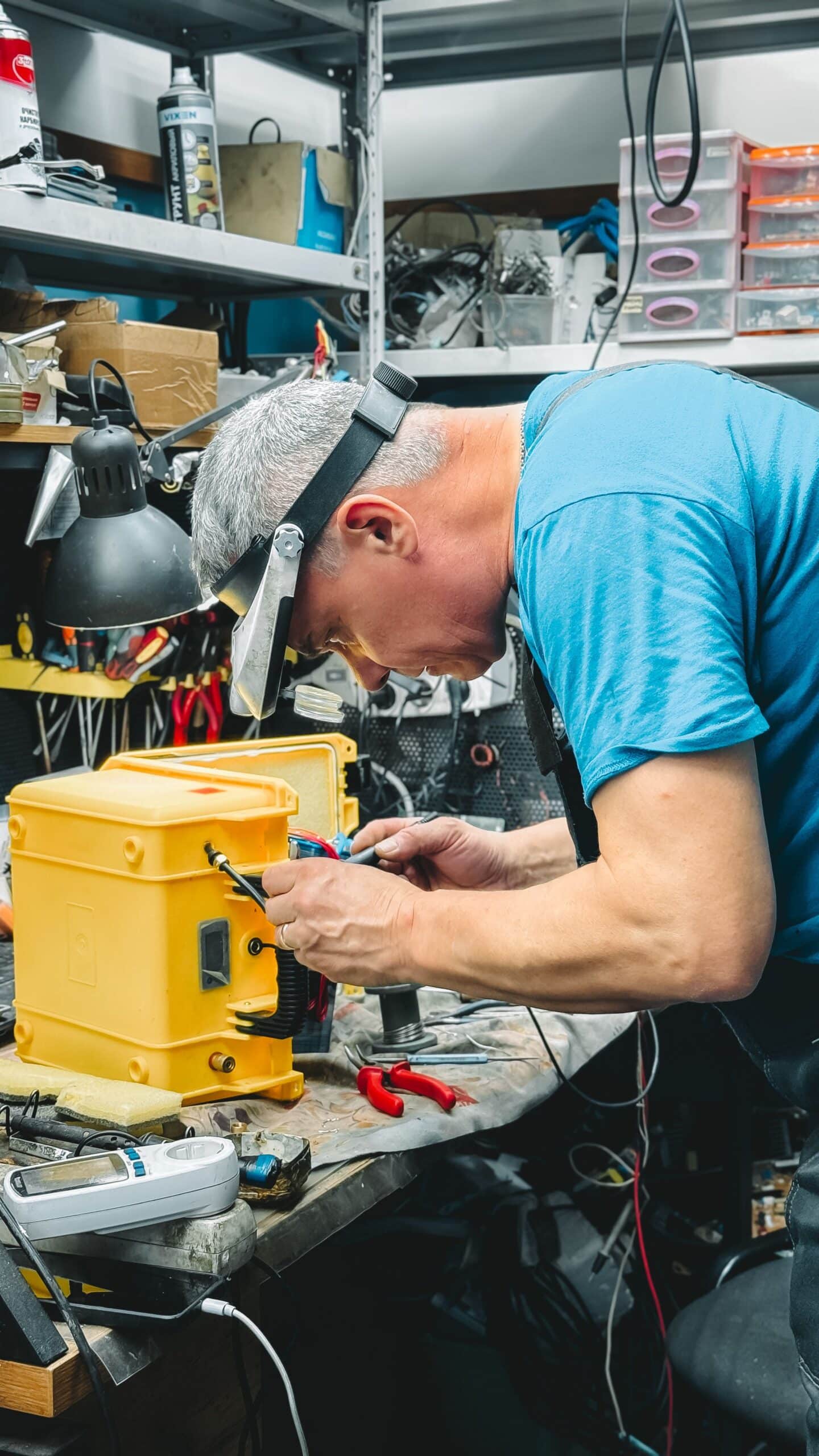
A Repair Cafe is a community-based event or space where people bring broken or damaged items to be fixed, often free of charge, with the help of skilled volunteers. These gatherings typically take place in community centers, libraries, churches, schools, or dedicated workshop spaces. The concept originated in Amsterdam in 2009, founded by journalist Martine Postma, and has since spread to thousands of locations worldwide.
The core idea behind Repair Cafes is to reduce waste, promote sustainability, and rebuild a culture of fixing things rather than throwing them away. Visitors can bring a wide range of items, including small appliances, clothing, furniture, electronics, bicycles, toys, and more. Alongside the repair itself, these events foster community connection and skill-sharing between volunteers and attendees.
Are Repair Cafes Actually Free?
In most cases, yes—Repair Cafes are free to use. The fundamental philosophy behind the movement is to provide accessible repair services to everyone, regardless of income or technical knowledge. Volunteers donate their time and expertise without charging for labor, which is typically the most expensive part of any repair.
However, “free” comes with a few important nuances worth understanding:
Labor is free, but parts may not be. While the repair expertise and assistance are offered at no cost, you may need to pay for replacement parts. For example, if your toaster needs a new heating element or your jacket requires a new zipper, you’ll likely cover the cost of those materials. Many Repair Cafes encourage you to bring spare parts yourself if you know what’s needed.
Donations are appreciated but optional. Most Repair Cafes operate on a donation-based model. While you’re never obligated to pay, a voluntary contribution helps keep the initiative running. These donations cover overhead costs such as venue rental, tools, refreshments, and basic supplies.
Why Are Repair Cafes Free?
The free model is intentional and rooted in several key motivations:
Environmental sustainability. A primary goal is to reduce landfill waste. By making repairs accessible and affordable, Repair Cafes discourage the “throwaway culture” that has become common with cheap, mass-produced goods. Keeping items in use longer significantly reduces electronic waste and textile waste.
Community building. These events bring neighbors together, encouraging social interaction and the exchange of knowledge. The free model ensures that everyone in the community can participate, regardless of financial means.
Skill preservation and education. Volunteers often teach attendees how to perform repairs themselves. This educational aspect empowers people to maintain their belongings independently in the future, which wouldn’t align with a profit-driven business model.
What Costs Might You Encounter?
Although the service itself is free, here are potential expenses to keep in mind:
- Replacement parts: Zippers, buttons, fuses, cables, screws, and other components may need to be purchased.
- Specialized materials: Some repairs require specific adhesives, fabrics, or hardware not available on-site.
- Voluntary donations: Many people choose to contribute a few dollars to support the organization.
- Refreshments: Some cafes sell coffee, tea, or snacks, though these are usually optional and inexpensive.
It’s always wise to ask about potential costs when you arrive or check the event’s website beforehand.
How Do Repair Cafes Sustain Themselves Financially?
If they don’t charge for services, how do these organizations stay afloat? Repair Cafes rely on several funding sources:
Grants and sponsorships. Local governments, environmental organizations, and businesses often provide grants because Repair Cafes align with waste-reduction goals.
Voluntary donations. Contributions from attendees add up over time and help cover recurring expenses.
Partnerships. Many cafes partner with libraries, community centers, or municipalities that offer free or discounted venue space.
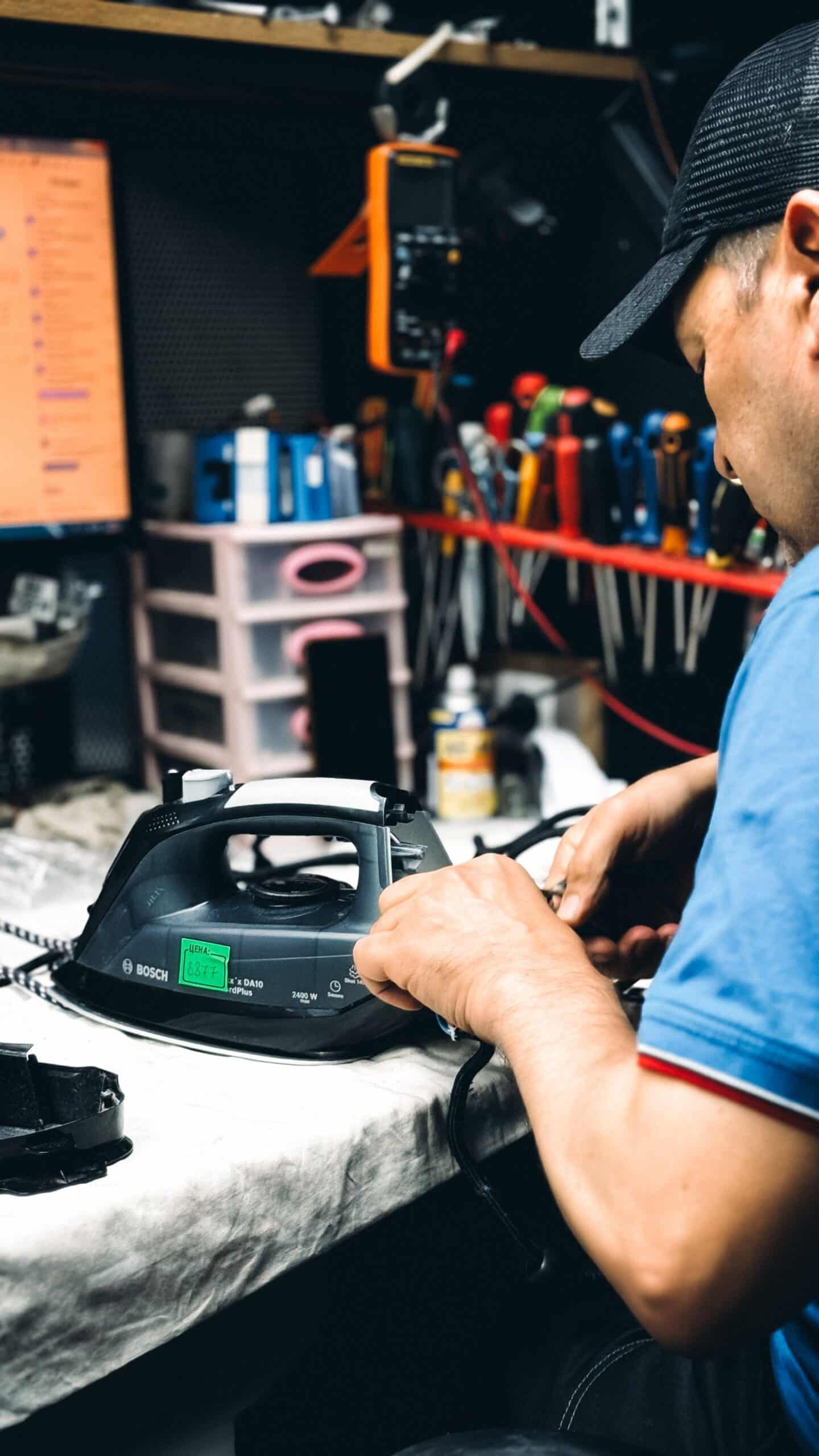
Volunteer labor. The biggest cost—skilled labor—is eliminated because repairers donate their time. This makes the free model financially viable.
The international Repair Cafe Foundation also provides starter kits and support to help new locations launch successfully.
What Can You Bring to a Repair Cafe?
Repair Cafes handle an impressive variety of items, though offerings vary by location and available expertise. Common items include:
- Electronics: Radios, lamps, kettles, vacuum cleaners, and small appliances
- Clothing and textiles: Torn garments, broken zippers, loose hems
- Bicycles: Brake adjustments, flat tires, chain repairs
- Furniture: Wobbly chairs, loose joints, scratched surfaces
- Toys: Battery-operated and mechanical toys
- Computers: Basic troubleshooting and minor hardware fixes
Larger items like washing machines or refrigerators may not be accepted due to size and complexity, so check in advance.
Tips for Getting the Most Out of Your Visit
To ensure a smooth and successful experience, keep these practical tips in mind:
Arrive early. Repair Cafes can get busy, and volunteers serve people on a first-come, first-served basis. Early arrival increases your chances of being seen.
Bring relevant information. If possible, bring the item’s manual, model number, or any spare parts you already have. This helps volunteers diagnose and fix problems faster.
Be patient and prepared to wait. Since these are volunteer-run events, wait times can vary. Bring something to read or use the opportunity to chat with others.
Participate in the repair. Many volunteers welcome your involvement and may teach you how to fix the item. This is a valuable learning opportunity.
Manage expectations. Not every item can be repaired. Some damage is beyond fixing, or the necessary parts may be unavailable. Volunteers do their best, but success isn’t guaranteed.
Are There Any Limitations or Rules?
While Repair Cafes are generous and welcoming, they typically operate under a few guidelines:
- Liability disclaimers: Most cafes ask you to acknowledge that repairs are done at your own risk. Volunteers aren’t professional technicians offering guaranteed warranties.
- One or two items per visit: To ensure fair access, some cafes limit the number of items each person can bring.
- No commercial use: Services are intended for personal items, not for businesses seeking free repairs on inventory.
- Item size and safety: Hazardous or extremely large items may be declined.
How to Find a Repair Cafe Near You
Locating a Repair Cafe is easier than ever. The official Repair Cafe Foundation website maintains a global directory of registered locations. Simply enter your location to find nearby events and their schedules.
You can also search social media platforms, community bulletin boards, local libraries, and environmental organizations. Many cafes operate monthly, so checking schedules ahead of time is essential. If there’s no Repair Cafe in your area, the foundation provides resources to help you start one.
The Growing Popularity of Repair Cafes
The Repair Cafe movement has experienced remarkable growth, with over 2,000 locations operating across the globe. This expansion reflects increasing awareness of environmental issues, rising consumer costs, and a renewed appreciation for craftsmanship and self-sufficiency.
As “right to repair” legislation gains momentum worldwide, Repair Cafes have become symbolic of a broader cultural shift toward sustainability. They demonstrate that communities can take practical action against waste while strengthening social bonds and preserving valuable repair skills for future generations.
Whether you’re looking to save money, reduce your environmental footprint, or simply learn a new skill, Repair Cafes offer an accessible and welcoming way to keep your belongings out of the landfill—and they do it almost entirely free of charge.