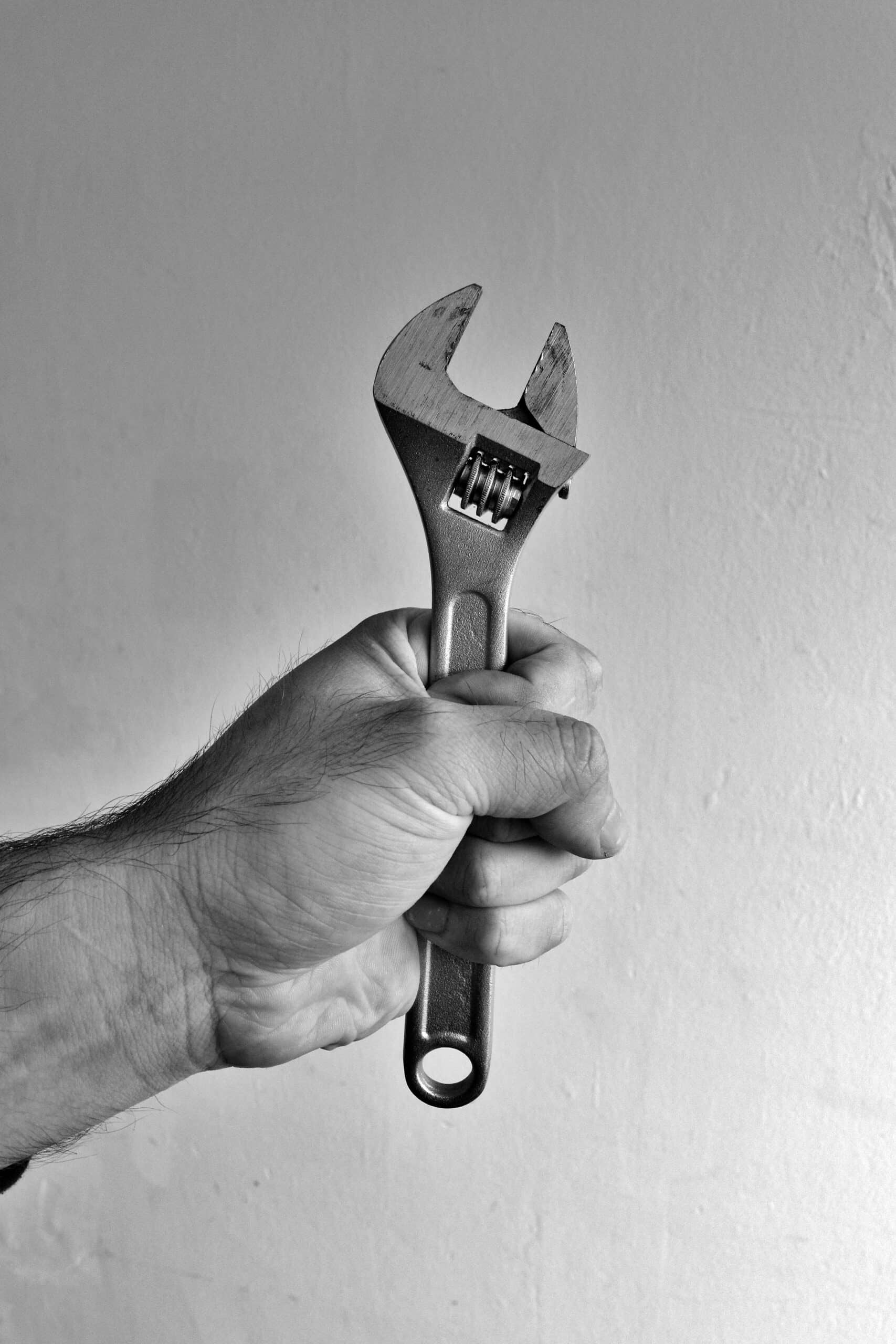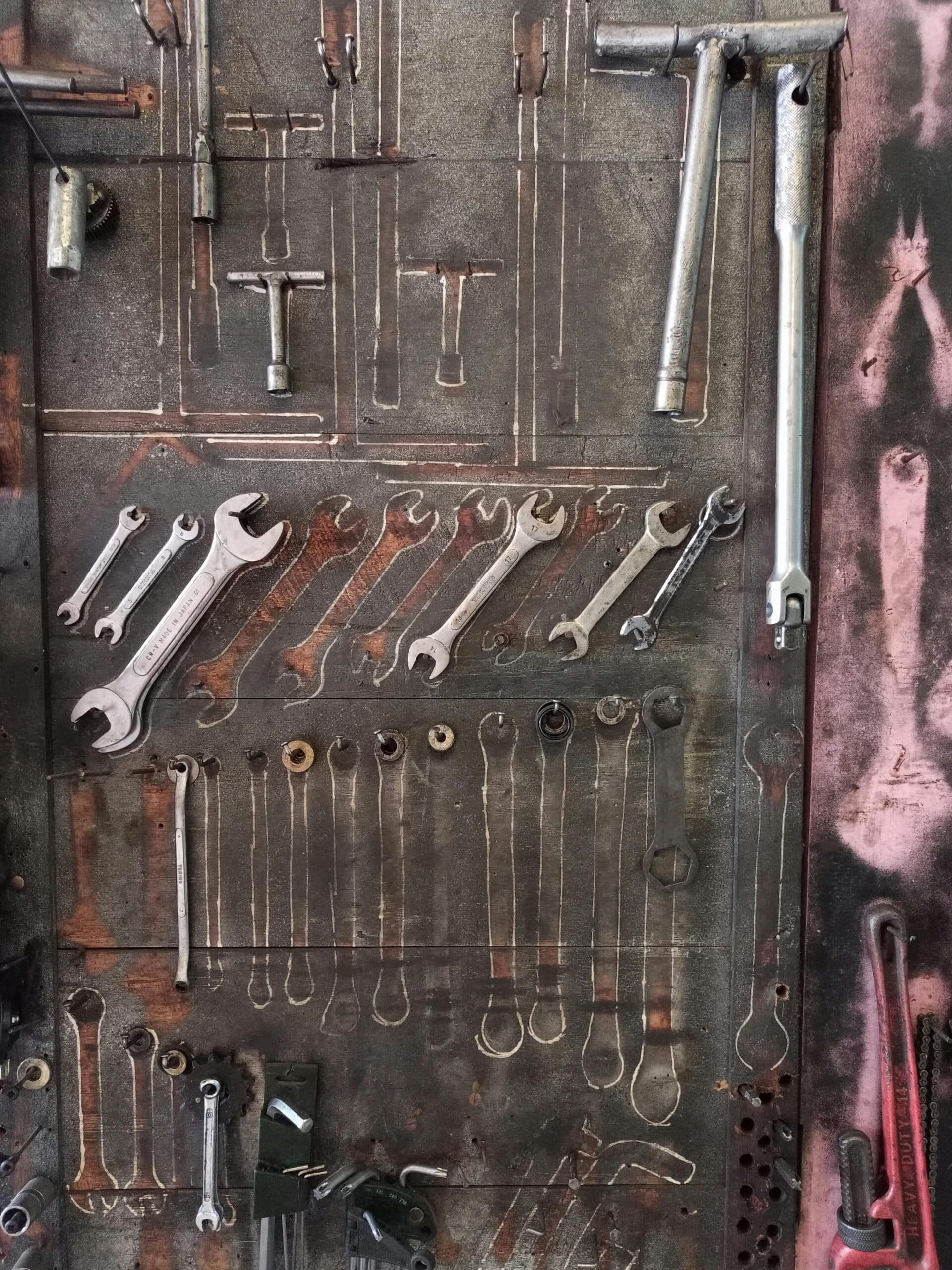
Electric kettles are among the most-used appliances in modern kitchens, and like any device with heating elements and electrical components, they eventually break down. The good news is that many common kettle problems—faulty switches, broken heating elements, leaking bases, and corroded contacts—can be fixed at home with the right set of tools. Having a properly equipped toolkit not only saves money on replacements but also extends the life of your appliance significantly.
Essential Screwdriver Set
A quality screwdriver set is the foundation of any kettle repair toolkit. Most electric kettles are assembled with a combination of Phillips, flathead, and specialty screws. Manufacturers frequently use security or tamper-proof screws—such as Torx, Tri-wing, or spanner screws—to discourage casual disassembly.
Invest in a precision screwdriver kit that includes interchangeable bits. Look for sets offering at least 50 to 100 bits to cover obscure screw types. Magnetic tips are particularly valuable, as they prevent tiny screws from falling into hard-to-reach areas inside the kettle housing. A swivel-top handle improves control during delicate work near electrical components.
Multimeter for Electrical Diagnostics
A digital multimeter is arguably the most important diagnostic tool for kettle repair. Many kettle failures stem from electrical issues that aren’t visible to the naked eye. A multimeter lets you test continuity, voltage, and resistance to pinpoint exactly where the fault lies.
Use the continuity setting to check whether the heating element is intact—a broken element will show no continuity. You can also test the thermal cut-off switch, power cord, and on/off switch for breaks in the circuit. For beginners, an auto-ranging multimeter simplifies the process by automatically selecting the correct measurement range. Always ensure the kettle is unplugged before testing internal components.
Soldering Iron and Solder
When wires become loose or connections corrode, a soldering iron becomes indispensable. Kettle terminals and circuit connections often loosen over time due to repeated heating and cooling cycles. A 30 to 60-watt soldering iron with adjustable temperature control gives you precision for delicate joints without overheating surrounding components.
Pair your soldering iron with rosin-core solder (60/40 tin-lead or lead-free alternatives) and a roll of desoldering wick for removing old, damaged solder. A soldering iron stand and a damp sponge for tip cleaning are practical additions that improve safety and the quality of your joints.
Needle-Nose Pliers and Wire Cutters
Working inside the tight confines of a kettle base requires tools that can reach cramped spaces. Needle-nose pliers allow you to grip, bend, and reposition small wires and connectors with precision. They’re especially useful for reseating spade connectors on the heating element or thermostat.
A reliable pair of wire cutters or flush cutters is necessary for trimming wires cleanly when replacing damaged sections. Combination tools that integrate cutting and gripping functions can save space in your toolkit, though dedicated tools generally offer better performance.
Wire Strippers
Replacing a frayed power cord or repairing internal wiring demands clean, precise wire stripping. A dedicated wire stripper removes insulation without nicking or damaging the copper conductor underneath. Damaged wire strands create resistance and heat, which can lead to further failures.
Choose an adjustable or self-adjusting wire stripper that accommodates the various wire gauges found in kettles, typically ranging from 16 to 22 AWG. Some models include built-in crimping jaws and bolt cutters, adding versatility for connector installation.
Heat Shrink Tubing and Electrical Tape
After repairing or splicing wires, proper insulation is critical for safety. Heat shrink tubing provides a durable, professional-grade seal that protects connections from moisture and accidental contact. Since kettles operate in humid, steamy environments, moisture-resistant insulation is essential.
Keep an assortment of tubing sizes on hand, along with high-quality electrical tape rated for heat resistance. Avoid cheap tape that loses adhesion when warm, as it can unravel near the kettle’s heating components.
Descaling and Cleaning Tools
Not all kettle problems are electrical—mineral buildup is a frequent culprit behind reduced performance and overheating. A descaling solution or natural alternatives like citric acid and white vinegar dissolve limescale that insulates the heating element and forces it to work harder.
Include a soft-bristle brush and microfiber cloths for cleaning contacts and removing residue. Corroded electrical contacts can be gently cleaned with a fiberglass scratch pen or fine-grit sandpaper to restore conductivity.
Plastic Pry Tools and Spudgers
Many modern kettles use plastic clips and snap-fit housings rather than screws. Forcing these apart with metal tools risks cracking the casing. Plastic pry tools and nylon spudgers let you separate housing panels without leaving scratches or damaging clips.
These inexpensive tools, often sold in electronics repair kits, are invaluable for opening the base assembly where the switch mechanism and wiring are housed.
Replacement Parts and Connectors
While not strictly tools, keeping common replacement components nearby streamlines repairs. Stock up on spade connectors, thermal fuses, and gasket seals. The rubber seal between the kettle body and base frequently degrades, causing leaks that can short out electrical components.
Matching the correct thermal cut-off rating to your kettle’s specifications is crucial—using an incorrect fuse can create a fire hazard.
Safety Equipment
No repair toolkit is complete without proper safety gear. Insulated gloves protect against accidental shocks, while safety glasses shield your eyes from solder splashes and debris. A non-contact voltage tester offers an extra layer of confidence, verifying that no live current is present before you begin work.
Always work on a dry, non-conductive surface and keep your workspace organized to prevent accidents.
Tips for Successful Kettle Repairs
Before disassembling any kettle, photograph each step so you can reassemble it correctly. Keep screws organized in labeled containers, as different lengths often serve different functions. Test your repair before fully reassembling the unit, and never operate a kettle with exposed wiring.
If you encounter cracked heating elements embedded in the base, replacement of the entire base assembly is usually more reliable than attempting a patch repair. Knowing when a repair is feasible—versus when replacement is the safer, more economical choice—is an important judgment skill that develops with experience.
With this comprehensive toolkit, you’ll be equipped to handle the vast majority of electric kettle malfunctions confidently and safely, saving money while reducing electronic waste.