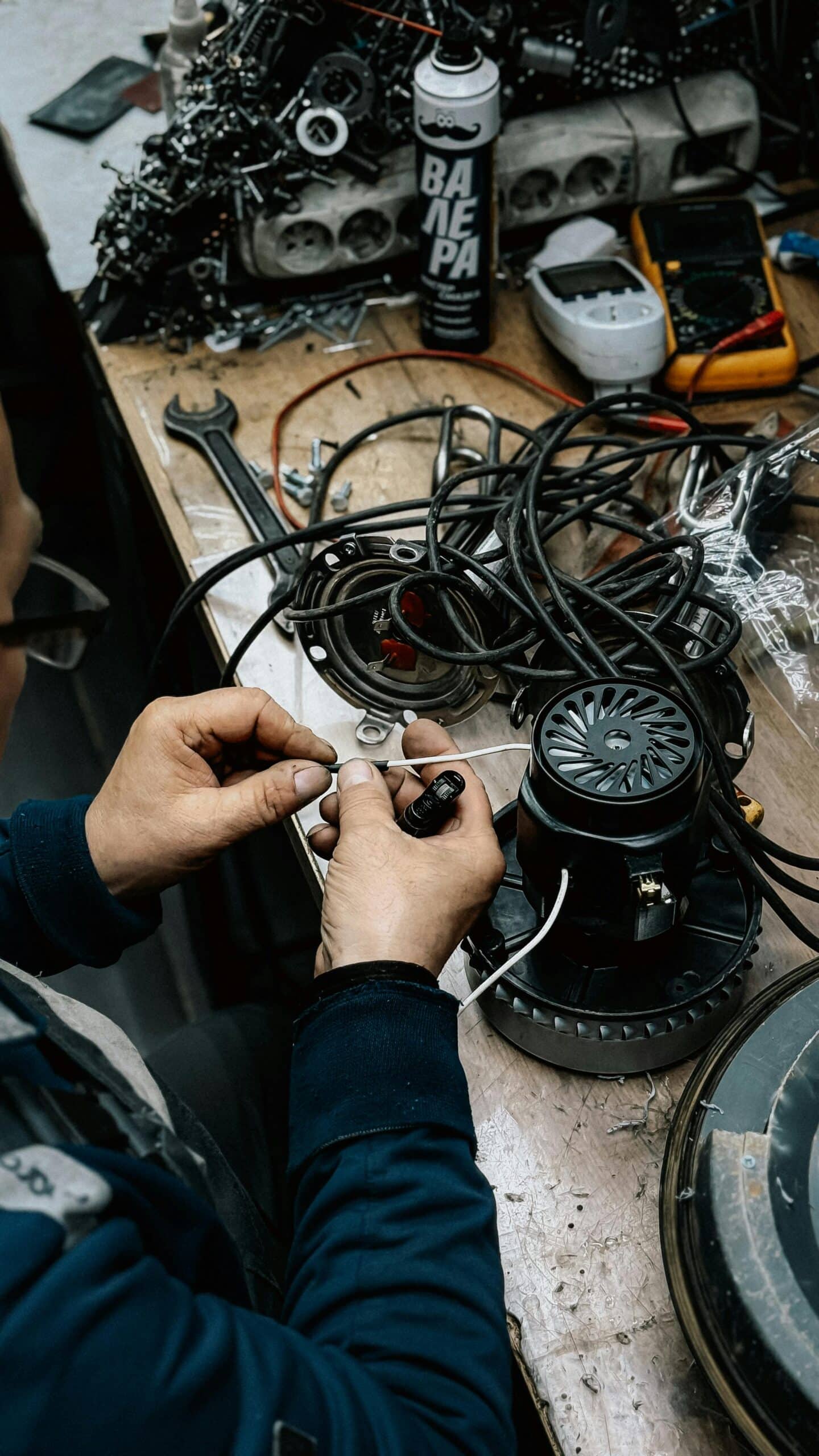
Few household appliances work as hard as your vacuum cleaner. From pet hair and crumbs to dust and allergens, it tackles messes daily—often without much appreciation. But like any hardworking machine, it eventually shows signs of wear. The challenge most homeowners face is deciding whether a struggling vacuum deserves a repair or a replacement. Making the wrong call can cost you money, time, and a clean home. Below are seven clear signs that help you determine when it’s time to invest in a new vacuum rather than patch up the old one.
1. Repair Costs Exceed Half the Price of a New Vacuum
The golden rule of appliance repair is simple: if fixing your vacuum costs more than 50% of buying a comparable new model, replacement is the smarter financial choice. A budget vacuum priced around $100 rarely justifies a $70 motor repair. High-end models from brands like Dyson, Miele, or Shark, however, may warrant pricier repairs because their overall lifespan and performance are significantly better.
Before committing to a repair, get a written estimate from a technician. Factor in the age of the vacuum, the cost of replacement parts, and labor. If the numbers don’t add up, your money is better spent on a new, more efficient unit that comes with a fresh warranty.
2. Persistent Loss of Suction Despite Maintenance
Loss of suction is one of the most common vacuum complaints. Often, it’s caused by simple issues: a clogged filter, a full dustbin, a blocked hose, or a worn belt. These are easy, inexpensive fixes that don’t require replacing the entire machine.
However, if you’ve cleaned every filter, cleared all clogs, replaced the belt, and your vacuum still struggles to pick up debris, the problem may lie in the motor or internal sealing system. A degraded motor or cracked air pathway is expensive to repair and signals that your vacuum is nearing the end of its useful life. When weak suction becomes the new normal, it’s time to shop for a replacement.
3. Strange Noises, Smells, or Smoke
Unusual sounds—grinding, rattling, or high-pitched whining—often indicate mechanical problems like a damaged motor, broken fan, or trapped debris. While some noises stem from minor blockages, persistent grinding usually points to internal damage that’s costly to fix.
More concerning is a burning smell or visible smoke. This typically means the motor is overheating or the belt is melting. A burning odor is not only a sign of failure but also a potential fire hazard. If your vacuum emits smoke or a persistent burning smell even after you’ve checked for blockages and belt issues, stop using it immediately and consider replacement. Safety should always take priority over savings.
4. Your Vacuum Is Outdated and Inefficient
Vacuum technology has advanced dramatically in recent years. Older models consume more energy, offer weaker filtration, and lack features that make cleaning easier. If your vacuum is more than 8 to 10 years old, even a successful repair may leave you with an underperforming machine compared to modern alternatives.
Today’s vacuums feature HEPA filtration that traps 99.97% of allergens, cordless convenience, smart sensors, and lightweight designs. If you suffer from allergies or asthma, an outdated vacuum with poor filtration may actually be recirculating dust back into your air. Upgrading to a newer model can improve both your cleaning results and your indoor air quality—benefits a repair simply can’t provide.
5. Frequent Breakdowns and Repeated Repairs
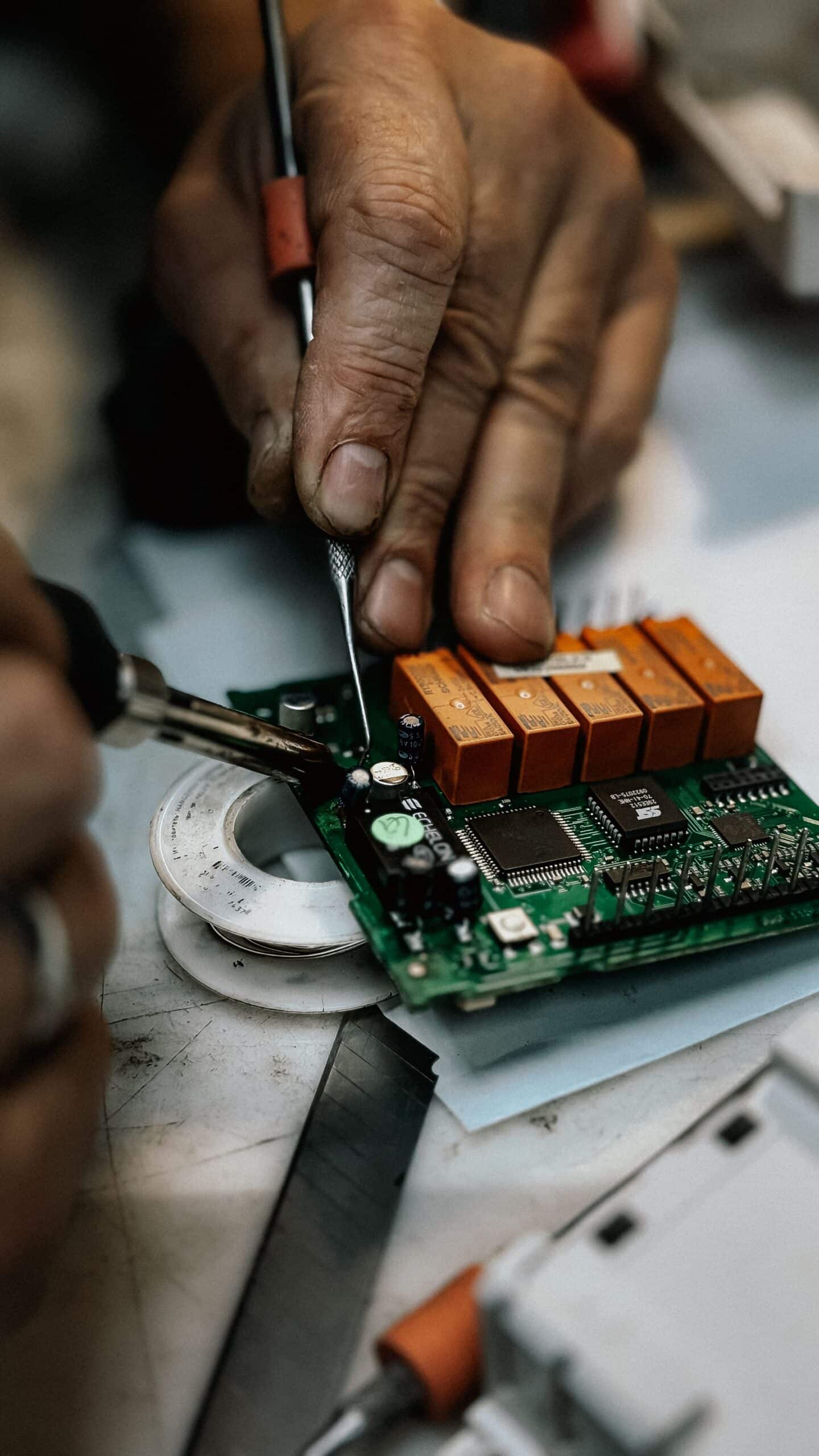
A single repair is understandable, but a pattern of breakdowns is a red flag. If you find yourself fixing your vacuum every few months, those costs add up quickly—and so does the frustration. Repeated failures often indicate that multiple components are wearing out simultaneously, meaning you’ll likely face another breakdown soon after each fix.
Keep track of your repair history. If you’ve replaced the belt, the brush roll, the hose, and the filter all within a year, your vacuum is telling you it’s reached the end of its dependable service. Continuing to pour money into an aging machine is rarely worth it when a reliable new model would eliminate the headaches altogether.
6. Replacement Parts Are Hard to Find
Even if you’re willing to repair your vacuum, it’s only practical if the parts are available. Manufacturers eventually discontinue components for older or off-brand models. When belts, filters, brush rolls, or motor parts are no longer sold, repairs become impossible or absurdly expensive through third-party sellers.
Before scheduling a repair, check whether replacement parts are readily accessible and reasonably priced. If you’re hunting through obscure websites or paying premium prices for hard-to-find components, your vacuum has likely outlived its support. In these cases, replacement is not just the easier option—it’s the only practical one.
7. Damaged Body, Cracks, or Broken Wheels
Structural damage often goes overlooked, but it significantly affects performance. Cracks in the vacuum body can break the airtight seal needed for proper suction. Broken wheels make maneuvering difficult and can scratch your floors. A damaged hose leaks air, while a cracked dustbin spills debris back onto your floors.
While minor cosmetic damage isn’t a dealbreaker, extensive structural problems compromise the vacuum’s core function. Replacing housing components is frequently as expensive as buying a new unit. If your vacuum is physically falling apart—and especially if multiple parts are damaged—repairs become a losing battle.
Making the Final Decision
When weighing repair versus replacement, consider these key factors together: the age of your vacuum, the total cost of repairs, the availability of parts, and how well the machine still meets your needs. A two-year-old premium vacuum with a single faulty belt is clearly worth repairing. A decade-old budget model with motor problems and no available parts clearly isn’t.
It also helps to think about your evolving lifestyle. If you’ve added pets, expanded your home, or developed allergies, your cleaning demands may have outgrown your current vacuum entirely. In such cases, replacement offers an opportunity to upgrade to a machine better suited to your needs.
Finally, don’t overlook the value of warranties and energy efficiency. New vacuums come with manufacturer warranties that protect your investment, and modern models often consume less electricity—saving you money over time. By honestly evaluating these seven signs, you can make a confident, cost-effective decision that keeps your home clean without unnecessary expense or frustration.